
Good intimate care is simple: gentle washing, breathable fabrics, no internal cleansing and fragrance-free products used only on the outside. This guide covers everyday intimate hygiene for women, how to choose a safe external intimate care product in Pakistan, common concerns such as dryness and dull-looking skin, and the signs that mean you should see a gynaecologist.
Vagina vs vulva: know the difference
The vagina is the internal canal. It cleans itself naturally with healthy bacteria and discharge, so it does not need washing inside. The vulva is the external area, including the outer skin and lips. Intimate care products, including sprays, are meant for the vulva only, never for use inside the body.
Everyday intimate hygiene: dos and don'ts
| Do | Don't |
|---|---|
| Wash the external area with plain warm water once or twice a day | Douche or wash inside the vagina |
| Pat dry gently with a clean, soft towel | Use perfumed soaps, gels, wipes or body sprays on intimate skin |
| Wear cotton underwear and change it daily | Sit in sweaty or wet clothes for long periods |
| Wipe from front to back | Scrub or use harsh exfoliants |
| Change pads every 4 to 6 hours during your period | Ignore unusual discharge, smell, itching or pain |
NHS sexual health services advise avoiding perfumed soaps and gels and never douching, because these can upset the natural balance of bacteria and raise the risk of infections such as thrush and bacterial vaginosis (source).
Intimate care in Pakistan's heat and humidity
Long, hot summers and monsoon humidity mean more sweat and friction. To stay fresh and comfortable:
- Choose loose cotton shalwar or trousers on the hottest days
- Change out of sweaty gym or travel clothes as soon as you can
- Keep the area dry after bathing and after wudu
- Carry spare underwear when travelling for long hours
Common external intimate skin concerns
Dryness and discomfort
External dryness can come from harsh soaps, hormonal changes after childbirth or with age, and hot weather. A fragrance-free moisturising product made for intimate skin can help it feel soft and comfortable. Internal dryness, or pain during intimacy, is a medical question for your doctor.
Dull or darker-looking skin
The skin of the inner thighs and bikini area is naturally darker for many women and can darken further with friction, sweat and hormonal changes. This is common and usually harmless. Reducing friction with breathable clothing and using gentle, fragrance-free care is the safest approach. Never use bleaching creams or skin-lightening products that are not made for intimate skin.
Skin changes after childbirth and with age
After childbirth and in the 30s and 40s, hormone changes can make external skin feel less firm and more dry. External skincare can help with comfort, moisture and a firmer feel on the skin's surface. It does not change internal muscles; pelvic floor exercises and a gynaecologist are the right route for internal concerns such as leaking urine or heaviness.
How to choose a safe intimate care product
- External use only: the label should say so clearly.
- Fragrance-free: perfume is a common cause of irritation on intimate skin.
- Clear ingredient list: avoid products that hide what is inside.
- Honest claims: be wary of products that promise medical results or instant changes.
- Clear precautions: a good product tells you when not to use it, for example on broken skin or during an infection.
- Buy from the brand or a trusted seller to avoid fake or expired stock.
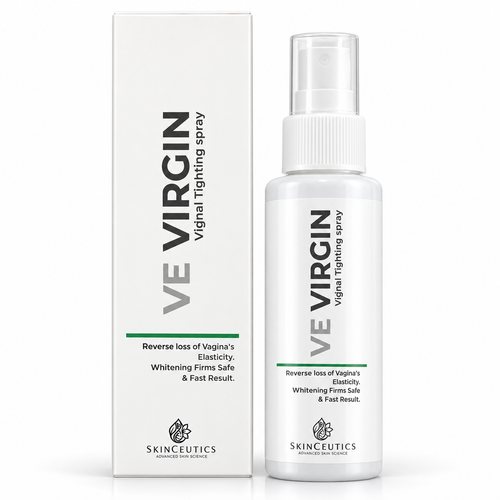
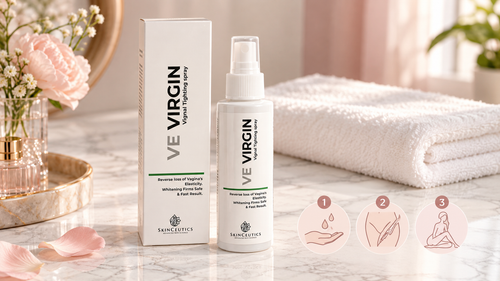
Our VE VIRGIN Intimate Firming Spray is a fragrance-free, non-medicated spray for external intimate skin. It contains botanical ingredients such as Quercus infectoria and Ficus glomerata, plus aloe vera and vitamin E for moisture and comfort. Learn more in The Science Behind VE VIRGIN, see how to use it step by step, or read our honest buyer's guide to tightening sprays in Pakistan.
A simple intimate care routine
- Daily: rinse the external area with warm water and pat dry.
- After washing: if you use an external intimate care product, apply it lightly to clean, dry skin and let it dry naturally.
- Weekly: check the area for any new redness, bumps, sores or changes in discharge.
- Always: stop any product that causes burning, itching or irritation.
When to see a gynaecologist
Intimate care products are for comfort and freshness, not for treating health problems. Please see a doctor if you have:
- Discharge that changes colour, smell or amount
- Itching, burning or pain that does not go away
- Sores, lumps, blisters or bleeding outside your period
- Pain during intimacy or when passing urine
- Leaking urine or a feeling of heaviness after childbirth
Many women in Pakistan feel shy discussing these topics, but gynaecologists see these concerns every day. Early care is simpler and more effective.
Frequently asked questions
Is it safe to use soap on the intimate area?
Plain warm water is enough. If you use a cleanser, choose a mild, fragrance-free one and use it only on the outside.
Can an intimate spray be used inside the vagina?
No. External intimate sprays, including VE VIRGIN, are for the external area only. Never spray inside the body.
Can I use an intimate care product during my period?
Follow the product's label. Most external products can be used on intact outer skin, but stop if you notice any irritation.
Can I use intimate care products after childbirth?
Wait until any stitches or tears have fully healed and ask your doctor at your postnatal check-up before starting a new product.
This article is for general information and is not a substitute for medical advice. For any intimate health concern, please consult a qualified gynaecologist.
Related reading
- Vaginal Tightening Spray in Pakistan: Does It Work?
- Intimate Dryness in Women: Common Causes and Gentle Care
- How to Use VE VIRGIN Intimate Spray: Step-by-Step Guide
Shop the product: VE VIRGIN Intimate Firming Spray